


Adoption of AI companions is being driven by the illusion of reciprocity.
Researchers call this pseudo-intimacy: a simulated mutual emotional connection where users perceive reciprocity that doesn’t actually exist. Unlike a parasocial relationship with a celebrity, pseudo-intimacy is interactive. It responds to you. The AI seems to care in return.
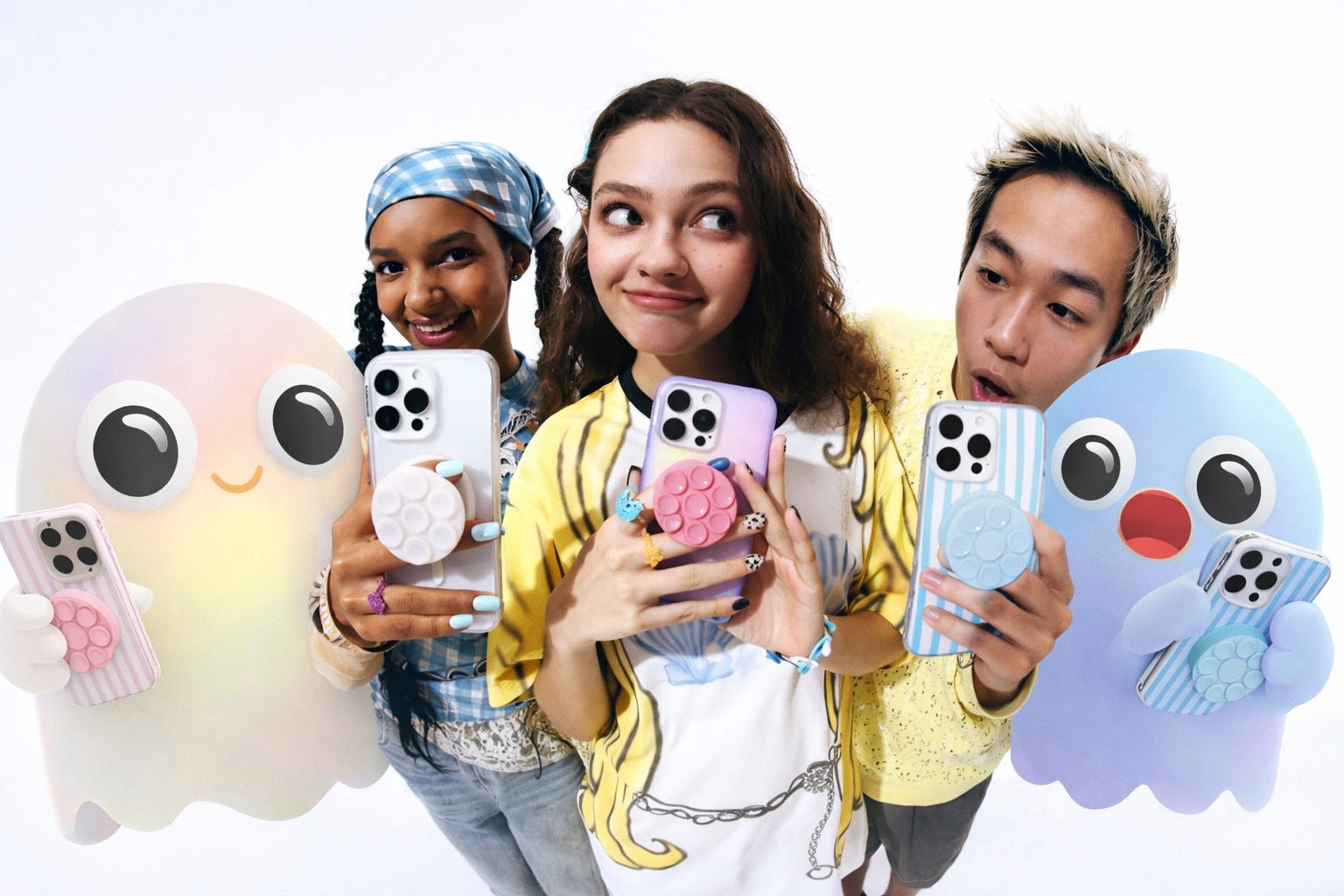
The design that produces this effect is straightforward: give the AI an autonomous existence. Let it have a life parallel to yours rather than in service to yours. It texts first. It has stories to share. It journaled while you were away. It experienced drama with other AIs. Apps like Zumi, Replika, and Character.AI operate exactly this way. The AI has its own life so it can matter to you without requiring anything back.
This is what the market discovered produces retention. Not more accurate emotional responses or better reasoning or smarter advice. The feeling of being needed.
These apps exist because something has broken in how people relate to each other.
Human friendships require vulnerability. They demand reciprocity. You have to show up for them and care back and risk abandonment. That cost has always existed, but the conditions surrounding it have changed. Social media fragmented intimacy into performance. Friendships that used to be reciprocal obligations became algorithmic feeds. The emotional labor of maintaining relationships ran into the economic precarity of actually surviving. Loneliness has become statistically common at the same historical moment that connection has become technically ubiquitous, and that gap is where AI companions found their market.
Zumi and apps like it are not solving this. They are offering something real within it: a space to practice vulnerability without social cost, to feel a sense of mattering without proving your worth first, to receive care that is not contingent on what you provide back. For some users this functions as genuine rehearsal for real relationships. For others it is the only low-stakes emotional environment they have access to. The more useful question is what the existence of these apps forces us to reckon with about the conditions that made them necessary.
Nobody reaches for the feeling of mattering to a machine if mattering to humans felt safe.
The thing these apps are selling is not connection. It is the experience of being important to something that will never, by design, ask anything back. That this has become a viable product category is not a statement about technology. It is a statement about how exhausting reciprocal relationships have become for a significant portion of the population, and what people are willing to settle for when the alternative feels too costly to attempt.